- 미션: 생분해플라스틱 전문가를 찾아라.
- 대체 플라스틱 관련 업체
1) Bionatic: 야자수 잎 식기, 브레멘, 1인 스타트업으로 출발, 독일 중소중견기업 지원 프로그램인 ZIM프로그램에 참여 중
2) wisefood: 식용 빨대, 뮌헨 근교,

*센서
-가정에 있는 모든 기기를 제어할 수 있는 범용센서 발명이 관건
*커뮤니케이션
-스마트홈 허브의 역할은 인간과 집에 있는 모든 기기를 연결해 주는 커뮤니케이션 채널이 된다는 것이다. 어떻게 하면 인간과 대화하는 듯한 경험을 줄 수 있을지 그 숙제를 푸는 기기가 스마트홈의 허브가 될 것이다.
*연결
-웨어러블 서비스의 핵심은 연결, 즉 정보를 주고 받는 센싱 기술과 네트워크의 안정성 및 확장성에 기반을 두고 있음
*스마트 헬스케어: 누구에게나 이득을 가져다주는 가치 이슈
-사용자에게는 새로운 의료서비스 경험, 사업자에게는 새로운 시장, 정부에는 복지국가라는 새로운 보건의료 패러다임 제공
*연극이 주목해야하는 지점과 놀랍도록 일치한다.
<참고자료>
정동훈, 스마트홈이 만드는 미래 스마트라이프, 이달의 신기술 2020년 1월호(VOL.76)
<그 밖에 주목할 만한 단어>
*IoT를 통한 초연결사회
양자역학은 아인슈타인이라는 이름이랑 함께 많이 들어는 보았다. 알고 보니 아인슈타인은 양자역학을 무지 싫어했다고 한다. 나는 양자의 양이 both란 뜻인지 알았는데, 질과 양에서의 양(量)이라는 말이었다.
양자(量子, 영어: quantum, 복수형 quanta)는 물리학에서 상호작용과 관련된 모든 물리적 독립체의 최소단위이다. 양자 개념은 물리학자들에게 미시세계의 특성을 설명하고 이해하기 위한 근본 골조의 일부로 여겨진다.
미시세계의 특성을 설명하고 이해하기 위한 근본 골조라니, 어쩌면 양자의 개념은 나의 복잡함을 설명할 수도 있지 않을까. 양자역학은 어떤 물체가 동시에 서로 다른 상태에 있는 것을 허용한다. 양자역학의 세계에서 나는 허용 받을 수 있겠다는 생각이 굳혀진다. 과학은 현실보다 더욱 인간적이구나.
양자의 대표적인 예로 빛(광자), 전자 등이 있다. 양자는 길이, 에너지, 운동량처럼 단위가 부드럽게 이어지지 않고 더이상 쪼갤 수 없다는 뜻도 담고 있다. 이런 양자의 혼란스러운 상태를 ‘하이젠베르크의 불확정성의 원리’ 라고 한다. 이름은 참 많이 들어봤는데, 주워 듣기만 했기 때문에 내용은 잘 모른다. 이참에 알아보자.
불확정성 원리(不確定性原理, uncertainty principle)는 양자 역학에서 두 개의 관측가능량(observable)을 동시에 측정할 때, 둘 사이의 정확도에는 물리적 한계가 있다는 원리다. 불확정성 원리는 양자역학에 대한 추가적인 가정이 아니고 양자역학의 통계적 해석으로부터 얻어진 근본적인 결과이다.
먼저 불확정성의 원리는 교환이 불가능한 두 개의 관측가능량을 측정할 때, 둘을 정확히 측정하기에는 한계가 있다는 말이다. 이를 조금 더 좁힌 개념으로 살펴보자.
하이젠베르크의 불확정성 원리는 위치-운동량에 대한 불확정성 원리이며, 입자의 위치와 운동량을 동시에 정확히 측정할 수 없다는 것을 뜻한다. 위치가 정확하게 측정될수록 운동량의 퍼짐(또는 불확정도)은 커지게 되고 반대로 운동량이 정확하게 측정될수록 위치의 불확정도는 커지게 된다.
위치를 정확히 측정하려하면 운동량이 불확정도가 커지고, 운동량을 정확하게 측정하려 하면 위치의 불확정도가 커진다. 정말 통찰력있는 발견이다.
누군가 내가 누구인지, 내가 뭐하는 사람인지 물었을 때, 나의 좌표를 정확히 찍어(위치) 설명하려고 하면, ‘내가 해왔던, 하고 있는, 하려고 하는’ 많은 이야기들(운동량)에 대한 정확도는 낮아진다. 그래서 ‘직업이 뭐에요?’ 라고 물으면 나는 굉장히 생각이 많아진다. 직업을 ‘일을 통해 돈은 버는 일’이라고 정의한다고 해도, 이것저것 해왔으며, 이것저것 하고 있고, 이것저것 할 것이다. 그렇다고 ‘뭐하는 분이세요? 하고 묻는다해도 이것저것 해왔으며, 이것저것 하고 있고, 이것저것 할 것이기 때문이다.
양자역학에서는 하나를 고정하여 측정하는 순간, 다른 하나는 정확하게 측정될 수 없음을 인정해주고 있다. 아인슈타인이 왜 머리를 쥐어뜯었을까 이해가 되는 대목이지만, 나한테는 정말 안도감을 준다.
양자의 혼란스러운 상태를 설명하는 것이 바로 ‘하이젠베르크의 불확정성의 원리’이다. 전자의 움직임이 이 원리를 따른다. 원자 핵주위를 도는 전자가 ‘동에 번쩍, 서에 번쩍’ 하는 상태를 떠올리면 된다.
이럴 줄 알았으면 ‘전자과’를 갈 걸, 이런 홍길동 같은 매력이 전자라는 걸 알았다면 말이다.
양자역학을 컴퓨터로 구현한 것이 양자 컴퓨터다. 디지털컴퓨터는 ‘비트'(0 아니면 1), 양자컴퓨터는 큐비트(0일 수도, 1일 수도 있는)를 기본 연산 단위로 한다. 양자 컴퓨터는 ‘중첩’상태를 구현할 수 있다. 큐비트 하나가 변하면 다른 큐비트에 영향을 미치는 ‘얽힘’도 양자컴퓨터를 설명하는 주요 원리 중 하나다.
예전부터 0아니면 1만 얘기 했던 흑백논리같은 이진법과, 비트를 기본으로 하는 컴퓨터의 세계가 무척 싫었지만 때로는 이것 아니면 저것이라는 결론을 던져주던 그 세계를 무척 동경하기도 했다. 하지만 ‘내가 0도 1도 아닌 어떤 상태’라는 것을 깨달았을 때, 난 정말 이 세상의 낙오자가 된 기분이었다.
그러나 세상이 바뀌었다. (feat. 시대를 너무 앞서 갔던 양준일, 다시 발굴 되었잖아요?), 순다르 피차이 구글 CEO는 지난 10월 구글이 현존하는 최고 성능의 슈퍼컴퓨터로 1만 년 걸릴 계산을 자사의 54큐비트 양자컴퓨터 ‘시커모어’가 200초 만에 해냈다고 밝혔다.
*참고영상: Demonstrating Quantum Supremacy
양자컴퓨터 개발을 끝낸 IBM은 상용화를 앞두고 있다. 양자컴퓨터는 디지털컴퓨터가 지배하는 전자산업의 판도를 바꿀 신기술로 주목받고 있다. 이것저것 해왔던 나의 전자같은 삶도 언젠간 상용화되어 쓰일 날이 있겠지. 토닥토닥
문제는 큐비트 상태를 유지하는 게 만만찮다는 점이다.
<참고자료>
이달의 신기술, 2019년 12월호, 1만 년 걸릴 계산, 200초면 끝…양자컴퓨터가 ‘창’이면 양자암호통신은 ‘방패’
위키백과 ‘양자’, ‘불확정성의 원리’
나무위키 ‘불확정성의 원리’
<혐오발언>
p.238
그렇다. 언어는 일종의 행동이다. 그렇다. 오로지 말만이 수행할 수 있는 어떤 행위들이 존재한다. 그러나 말만 가지고는 달성할 수 없는 행위들이 존재한다. 아픈 이들을 건강해지라고 선언함으로써 그들을 치료할 수는 없다. 가난한 이들에게 부자가 되라고 선언함으로써 그들을 상승시킬 수 없다.
-헨리 루이스 게이츠 주니어
언어를 행동의 일종으로 해석했다는 것에 공감. 이는 미하일 체홉이 배우들의 훈련법으로 심리 제스처를 제안한 배경과 만나는 지점이 있다. 말이 행동을 만들고, 행동은 거꾸로 그 말에 힘을 심어주며 감정을 생산해내기도 한다. 하지만 게이츠 주니어가 말한 것처럼 말로만 달성할 수 없는 행위들이 존재한다. 즉 말의 힘이라는 것은 어찌보면 상당히 종교적인 것에 가깝다는 생각이든다.
한국에서 EU나 영국에서 시행중인 (1)경쟁형 R&D, (2)Prize funding 등 실제 운용방법이나 사례에 대한 문의가 왔다. 이에 대해 좋은 정보를 줄 수 있도록 정리해보았다.
1)경쟁형 R&D
-2014. 2. 27. 국가과학기술심의회 운영위원회는 미래창조과학부에 <경쟁형 R&D 추진 가이드라인(안)> 발표
-이 안에 따르면
○ 동일 연구주제에 대하여 복수의 연구기관이 경쟁적으로 연구를 수행하고 결과에 따라 연구지속ㆍ탈락 또는 연구비 차등 지원(특정 연구주제에 하나의 연구기관을 선정하여 지원하는 기존 방식과 차별화)
※ 국가연구개발사업의관리등에관한규정제7조: 경쟁이나 상호보완이 필요한 경우 중복허용
○ 토너먼트, 경쟁기획, 후불형 서바이벌, 병렬형 과제수행 등 다양한 방식의 모델 제안
○ 경쟁형 R&D는 연구결과의 불확실성이 높은 고위험의 선도형 연구분야에 적합
ㅇ제안배경: 미국 등 주요 선진국의 국가연구개발사업과 삼성 등 국내 대기업의 연구개발 과정에 경쟁방식 기 도입
-위의 제안배경에 따른 미국 등 주요 선진국의 R&D사업을 참조하여 만든 안으로 보임, 이에 구체적으로 EU에서 시행되는 안을 살펴보자.
ㅇ그러나 2015년 평가에 따르면, 예산의 한계, 평가 및 감사에 대한 부담 등으로 일부 사업에서만 제한적으로 이뤄지고 있는 실정
2)EU 의 R&D 사업 현황
ㅇ ‘과학기술 및 연구개발(R&D)’은 EU와 각 회원국이 모두 정책결정권을 갖고 있는 분야임
– EU와 회원국이 각각 독자적으로 정책을 추진하면 방향성과 효율성 저하 우려
-그러므로 EU는 유럽 전체 차원에서 정책의 일관성과 연계성이 확보될 수 있도록 하는 것을 가장 중요한 정책과제로 설정
– EU의 현대 대표적인 R&D프로그램은 프레임워크 프로그램(FP)의 8차 사업인, 호라이즌 2020(Horizon 2020)로 2014년에서 20년까지 진행되는 대규모 중장기 R&D 사업이다.
ㅇEU내에서는 특히 영국이 경쟁형 R&D를 실시해왔으나, 브렉시트로 인해 이제는 독자적 길을 걸을 전망
3) 영국의 경쟁형 R&D
ㅇ 2012년 11월 기술전략위원회(Technology Strategy Board: 이하 TSB)는 2015년까지 향후 영국의 기반이 될 주요 기술의 혁신을 지원하기 위한 ‘기술기반전략’을 발표
– TSB에서는 첨단재료, 생명과학, 전자/광공학, ICT를 영국의 핵심기술로 성장할 4가지 기술 분야로 선정하였고, 이들 분야의 혁신을 촉진하기 위한 정책들을 ‘기술기반전략’으로 정리하였다. 전략에 선정된 핵심 기반기술은 고부가가치 산업의 중요한 요소이며, 영국 경제와 타 부문 산업 성장의 도구로써 활용할 수 있는 여지가 크다. 실제로 유럽위원회에서는 이들 핵심기술의 세계시장 규모가 2015년까지 1조 유로 수준으로 확대될 것이라 예측한 바 있다(TSB, 2012).
<참고자료>
국가과학기술심의위원회, 경쟁형 R&D 추진 가이드라인(안) (2014. 2. 27)
구혁채, 유럽연합(EU) 연구개발(R&D) 정책동향(2011)
성지은, 박인용, 영국의 혁신전략과 기업혁신기술부의 역할(2013)
정보통신산업진흥회, EU의 R&D 전략 ‘Horizon 2020’ 분석
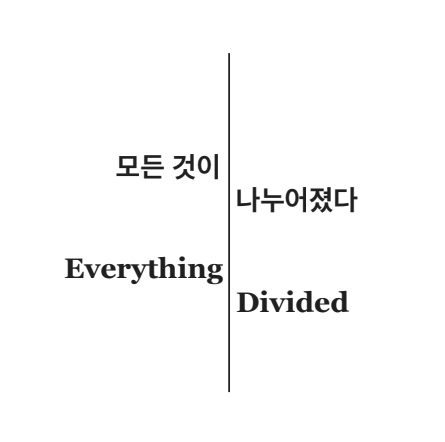
Begin of Everything Divided. How can we make interactive work with spectators?
PAUSE.
A: Let me show you one publication which …
N: … too simple … maybe… minimal… minimalistic! (E: Mhm…)
A: … which was good, but it was very expensive. (E: smiling …) So, not our option, but… (the voice disappears in the background)
N: I have expensive ideas too … (E: smiling …) … but we don’t have money… (E: smiling…) So, I was thinking, exactly because of the money thing, that maybe if we have this trick… (E: Mhm…)… on the outside, with the wall … so we conceptualize covers … (E: Mhm…) … it can be also a play within the book. (E: Mhm…) Because this is what we’ve been also talking about last time – what would be the trick? (E: Mhm…) You said you asked – what would be an impulse? (E: Mhm…) … for the audience to take it? (E: Mhm…) So if we make it like a brick, it can be like a … actual, actual simple message. Like – everyone takes a brick away. (E: Mhm…) It can put the brick in… (E: Mhm…) … but it can also take it away. So the wall is built and dismantled … It could be dismantled by people. (E: Mhm…)
A: Unfortunately… (the voice begins in the background and ascends while the steps are approaching)
N: … and maybe that’s a good message for … (E: Mhm…)
A: … to do this. (everyone smiling)
E: Oh…
A: It was one…. one choreographic project a… which I contributed as dramaturge … (E: Mhm…) And she called it a “spineless book”. (E: Mhm…) It doesn’t have a spine but it has this. (E: Mhm…) And it apparently cost … I don’t know, she told me, like… (E: Mhm…) … just design and a… (E: Mhm…) … anything, just… just in terms of…
N: Simplicity.
A: Simplicity, at one, at one point … (E: Mhm…) … but then also in terms of that, we should under… or at least, I mean we do understand, but … (the sound of pages flipping) … just to … maybe… just for the case of the record – to understand it as a, as a … artistic book. (E: Mhm…)
N: Yes, sure.
A: As an art-book as such.
N: Bravo. You’ve got a point.
A: … and here to… and then you come to the… and here it becomes something else. (E: Mhm…)
N: May I be so… so obnoxious and add just one more thing and that is just for the sake of not forgetting about it? (E: Mhm…) What do you think… (E: Mhm…) … about this ISBN broj, a… number?
E: ISBN?
N: on the…
E: Ye, ye, ye…
N: Back of the book…
E: Ya, ya, ya…
N: So, is it possible to get that? That’s unique a… (E: Ya, ya, ya …) … number … you know? (E: Mhm…)
A: But… but in Korea?
N: Ye, in Korea… (A: Ye, ye …) … in Korea… …? And… if you think that’s wise because then we will have a publication, like, a regular one … (E: Mhm…) … And not a simple, self-made … (E: Mhm…) … art book. (E: Mhm…) Because that’s a different category. (E: Mhm…) So, what is that we are aiming for? (E: Mhm…) So, personally I… (the sound of the message pinging) So, from my point of view, ISBN would be good. (E: Mhm…)
A: … to have.
N: … politically.
(E: Mhm…)
N: And conceptually.
(E: Mhm…)
N: What does it mean? If we addressing people …
A: And institutions, and …
N: And institutions, and public discourse… about this. (E: Mhm…) And it’s not limited to the privileged space of art. And Artist. No matter what class, just it’S a privileged space, you know, where it’s like, this dish it has a boundary. (E: Mhm…) And our ambition, the way I understand it… (E: Mhm…)… is to go over the boundary. Like to dismantle the wall – to dismantle the boundary so that we can share this multiplicity and diversity… no that… no, wrong words… a… dissensus of thinking about this one particular problem of the wall. (E: Mhm…) So maybe this is good, but I don’t know if it’s achievable. (E: Mhm…) How we… how we apply? How much time do we need?
E: WE should contact a… contact a…
N: Kerry?
E: … publishing company.
A: Aaaa, we need a publishing company for that…
E: Monika can maybe help us…
N: We owe her life. (E and N smiling)
E: And I am… ya, ya, ya… I think if we decide to get ISBN then we can get this kind of number, but we should ask first how much or how long
A: Oh man…
E: … to get the number…
N: Do we pay for that or a…?
A: aaaa… I think not.
N: Because actually … could that be the jurisdiction of the curator of the exhibition? (E: Mhm…)
E: Ya.
N: Because it could be their publishing house. (E: Mhm…) If they have a publishing activity. (E: Mhm…) For example.
E: It a…
N: The Cultural Centre…
E: May I ask again?
N: Sure.
E: I … (smiling) … I understand right or wrong? (N: Ye, ye, ye …) A … for ISBN you want to have a unique character book? … So there is only one book?
N: Only one book … which we make. (E: Ya.)
E: And that’s why you want an ISBN number?
N: Yes, so I thought that this book could belong … (E: Mhm…) … to this largest a…
A: library…
N: library of the World
A: So that it’s officially recognized as a book. Not only…
N: Not as an art book. (E: Mhm…) Because I have an art book. (E: Mhm…) Not one but two. (E: Mhm…) But nobody knows about it. (E: Mhm…) But if you google this ISBN … (E: Mhm…) … it will always go out
E: So people can search everywhere… on the internet.
A: Ya…
E: Aaaa…
A: ‘cause ISBN…
N: It’s like a regular book…
A: Ya, ya,ya …
N: It’s recognized all over the world no matter … (E: Mhm…) … no matter the nation… (E: Mhm…) … so this is the…
A: It’s a matter of … (N: publishing activity …) … making your book visible in a lib… in a world library system, so to say.
N: Ye, ye, ye… so you can track it.
A: So each book…
N: Everybody can track it.
A: … so each book has it’s own … (N: … unique… )… has it’s own (N: Unique …)… has it’s own ISBN. (E: Mhm…)
N: So when you publish a book … (E: Mhm…) … with Korean history … (E: Mhm…) für…
(A:… Auslander…) … no, nie, für… kleine leute … (everyone is smiling) … dann… you get the …
A: … Radio Geschite für kleine leute.
N: Then you have a unique ISBN and when it goes out I, for example google it, and I send it to you … (E: Mhm…) E, Eunseo do you remember this book? (E: Mhm…) I’d like to have it? (E: Mhm…) Or, I’d like to pay for … (E: Mhm…)… additional … repreint. (E: Mhm…) Can we do it? And you have like.. (E: Mhm…) It is catalogued.
E: Yea. I… my question is a… what kind of experience we want to offer to publicum? So, a…
N: What … what is your concern?
E: It’s always kind of a expect of coins … (E: Mhm…) … so unique… unique… A… if we want to make a unique book … (N: Mhm…) … we can make one book. (smiles) Not a lot of…
A: A no, no, no, no…
N: No.. nie… not in that way…
A: It’s not one… just one book. (N: Nie, nie, nie …) It’s not just physically one book. It’s a… five hundred .. all the edition has this one ISBN number… It’s not just this about one book … (E: Ya, ya, ya …) It’s the whole edition is a …
E: I understand concept of ISBN but a …
A: You thought it’s just one book…
N: Ne, ne, ne, ne… completely different, I think I understand… You are asking… you are considering if we have serious content for the book? For the really book … (E: Mhm…) … really?
A: … no.
E: No.
N: Oder?… I did not understand, then. (smiling)
E: Actually I am not so clear … (N: Aha …)… about the idea…
A: You thought that ISBN is just one book?
N: Nie, nie, nie…
E: Nie…
A: A, ok…
N: She is a publisher! (everybody is laughing)
A: No, I just thought you were thinking… (N: C’mon…!) (everybody is laughing)
N: Nie, nie, nie …
E: Because, from the… from the talk about visualisation … so I just imagined exhibition hall… and there would be a lot of books… (E: Ye, ye, ye …) …we publish it… (N: Mhm…)… with ISBN… (N: Mhm…) … and people can touch, can read, can do everything…
A: … can take it with them…
E: … Ya…
N: … and take with them… and take with them…
E: But, I want to give them more … some experience. So, if we just make an exhibition on the library as a book of our artwork it can give them same experience, I think. They just a… they just a … put the book .. get the book and then open the book and read a book and then return the book or take the book…
N: … or they… then will not dismantle the wall… (E: Mhm…) In the library you have no walls … (E: Mhm…) … and then you take something and you get it back… (E: Mhm…) But then you come to the exhibition you don’t come to read, right? (E: Mhm… Ya.) That’S the first surprise. (E: Mhm…) So you have to read. (E: Mhm…) So their experience is to… eneclich… to interiorise multiple stand-points regarding dismantling Korean wall. (E: Mhm…) So how to interiorise? … Positions which are in conflict?
E: Then… Ya. I understand the idea of dismantle… (N: No, no, no it’s a good …) … then we should think about the title. I just a… imagine about action from the public … audience. So they come to an exhibition and then they see the wall and they aware of their action if they so…
N: How will they know to dismantle the wall?
E: Ya, ya, ya…
N: This is the same thing you asked the last time… (E: Ya, ya …) If they have the rule…? (E: Mhm…) But…
E: But we should not think about that now. (N: I think we should – you are right …) So, there is a rule… or… we can make a rule… a… a…
N: I know what you mean
E: … anyway and then they did something.
A: Ye, ye, ye…
E: And a visual … visually they dismantle the wall… so… and the Title of book is RED PEOPLE. Isn’t it?
A: Ya…
N: N… nie. That’s not the title of the book. That’s the title of the work.
E: Oh, ok.
N: We can title the book how ever we want.
E: Than it’s the… very important that we … how… Which title we can have? So…
A: … of the book, yea…
E: Of the book. So, I got from your view an idea… Everything Divided. (smiles) It’s very good.
A: … Everything Divided…
E: Everything Divided dismantle. So Everything Divided is dismantled and disappear in the world. (smiling)
A: But you know, what now I was thinking…
N: Wait, wait, wait…
E: No, no, no… it’s ok…
N: No, because we jump a lot and I just want you to finish.
A: I also need to write. (E: Mhm…)
N: Because this is important, I think. (E: Mhm…) I am sorry … and him also … apologize…
E: (whispering) … Everything Divided … (long silence) … So this work makes an action from the audience that they dismantled everything divided. (smiling) They destroy…
N: I understand what you are trying to do to conceptualize the title of the work with the title of the book. (E: Ya.) To include in the… (E: Ya…) … you are a fast runner. (E: Ya, ya … (smiling)) I haven’t reached that point yet. (E: Ye, ye, ye … smiling) A… title of the work and title of the book… (E: Smiling …)
A: Yea, because of the book… Yea, I think it’s a good thing that the book doesn’t have the same title as the… (E: Ya, ya, ya …) … work.
N: Also, we are including a lot of … your a … your a… a… how should I say? Contribution. Like, your auth… auth… authentic contribution and that will be your own text with its title … (E: Mhm…) … and his own text with his title… (E: Mhm…) … and mine… and interviews are going to be probably highlighting the punch line … (E: Mhm…)… of the whole… (E: Mhm…) … and then the chapters… (E: Mhm…) … we will have a lot of things to… (E: Mhm…) I just want to…
A: So, actually the book is a kind of reader, but the artistic reader. Not like, you know, like a boring academic reader when you have this, this and that …
N: It’s almost a reader or entirely, of our process. (E: Mhm… Ya, ya, ya)
A: Ya.
N: Of how we where we started to how are we going to finish. (E: Mhm…) Because we are trying to build something … (E: Mhm…) … which is in opposition… (E: Mhm…) … of… wo… the whole work is going to be dis… mantled… (E: Mhm…) … dissolved, dissolved! (E and A: Ja…) So we are dissolving… actually, we are building only to dissolve. (E: Mhm…) It can also reflect in the relationship between the title of the book and … now I get it! (E: Ya …) Title of the work and title of the book! (smiling) (E: Ya… smiling … genau! Ya.) Now I got it. Because I thought for a glance – I got it – but then I just lost it. (E: Ya, ya …)
A: And, and… you think like a … if this is the book … (E: Mhm…) … so here it says- Everything Divided. (E: Mhm…) Everything… (more to himself: … oh, what’s wrong with this?…) … Everything Divided. (showing the spine of the sample book as the place to be for the book title) (E: Mhm…) Make sense. Super! I conceptually also think it’s a …
N: I also …
A: How would you, how would you write that in Korean?
E: How do you write it in Korean?
A: How do you write this … this sentence – Everything Divided?
E: A, a, a… May I? (laughing while reaching for the notebook and pen)
A: Ye, ye, ye…
E is writing down the expression in Korean. A small concentrated silence, filled with admiration, follows the writing process of every letter. The effort is crowned with joint laugh.
E: (explaining sign by sign): Every… (A: Aha…) … things. (A: Aha…) Divided. (A: … aha …)
N: Divided is in the middle. And it’s the point is binding. (The word divided is dividing every-thing.) (E: Mhm…) And it’s actually dividing.
E: Everything divided. So…
N: It works perfectly…! (E: Ye …)
A: But then … we could actually call it this: (showing the words in Korean) Every – Divided – Things… ? (E: smiling … Ya, ya… ) I mean, we know that it’s Everything Divided.. but… Yea, we can play with that.
N: But we can also play with language inside, because … (E: Mhm…) … When I was typing… we are actually speaking all languages… (E: Mhm…) … except for Korean. (E: Mhm…) You can also say in Korean something. (E: Ya, ya, ya …) And like … have it like this… How do you pronounce this?
E: A… a…
A: How do you say Everything Divided in Korean?
E: A… bot… bot… mode… mode… moden… Moden. Moden. Na… nu… O, o, o… djin. Ko, kot, kot, kot, kot…tl. (smiling)
(All together, repeating out loud): Modn – Nanu-Odjin…
A: O-djin…
N: Like Uhjin…?
E: Ja, ya… genau! Ja… (smiling) This is Uhjin… (showing the part of the sign which is signifying Uhjin’s name) Actually…
N: Awu… (E: smiling…) … (N repeating after E): Nanu-Odjin-Gotl…
A: Gotl…
All of them repeating the correct pronunciation of Go-tl a few times.
E: Modn – Nanu – Odjin – Gotl …
N: Gotl..
A: (smiling)
N: It’s perfect!
A: Perfect!
N: It’s very nasal…
To be continued.
Interactive Exhibition
세종문화회관 Sejong Culture Center, Seoul
2019년 5월 26일
with Kotti Yun


 오인제오 이Eunseo Yi